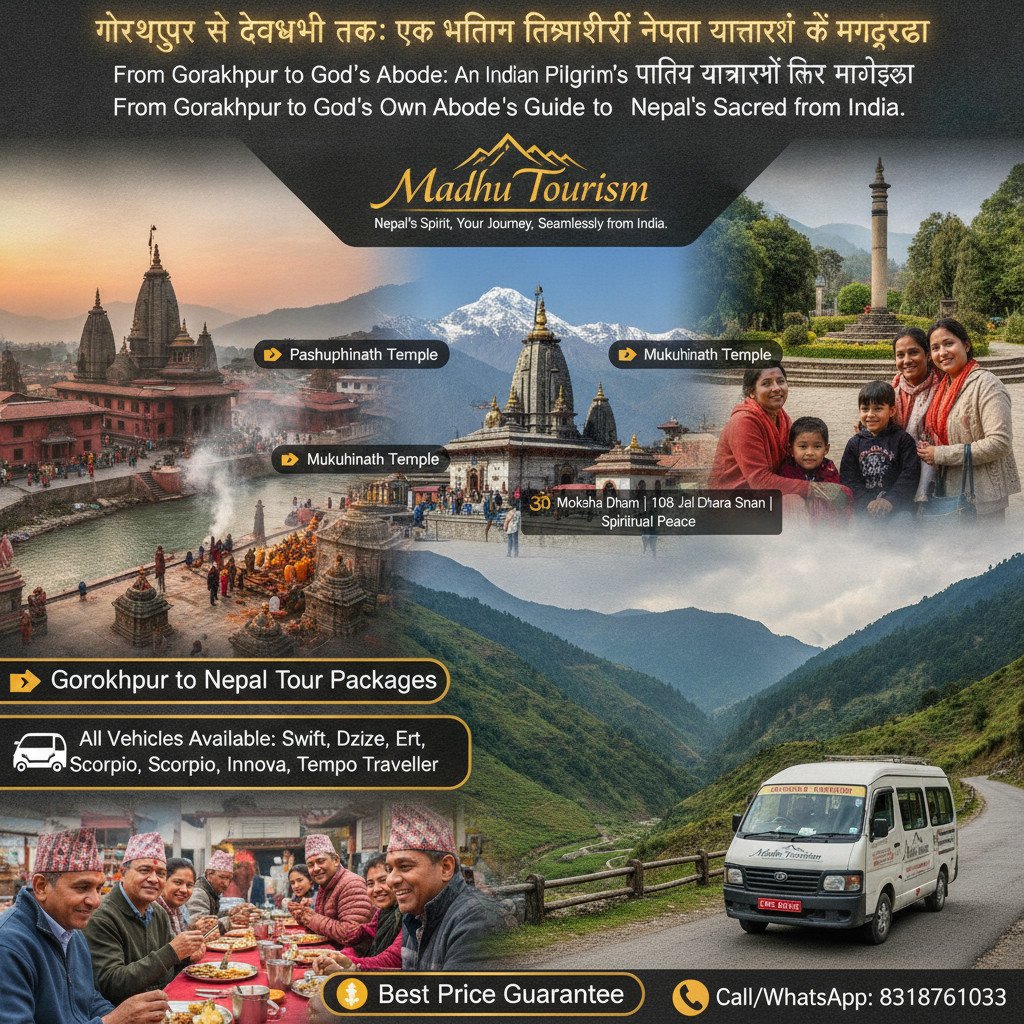
Welcome, dear travelers and seekers, to a journey that promises not just a change of scenery but a profound transformation of the soul. Imagine embarking on an expedition where every step traces the hallowed grounds once walked by Siddhartha Gautama himself – the Buddha. From the bustling streets of Gorakhpur, a city deeply intertwined with spiritual heritage, to the serene, tranquil birthplace of Lord Buddha in Lumbini, Nepal, this is more than just a trip; it’s a pilgrimage of the heart. Madhu Tourism invites you to experience this soul-stirring adventure, meticulously crafted to offer comfort, spiritual depth, and an unforgettable immersion into the land where peace found its voice. If you’re looking for the quintessential Nepal tour package from Gorakhpur, you’ve arrived at the perfect starting point.
Gorakhpur: Your Spiritual Gateway to Nepal
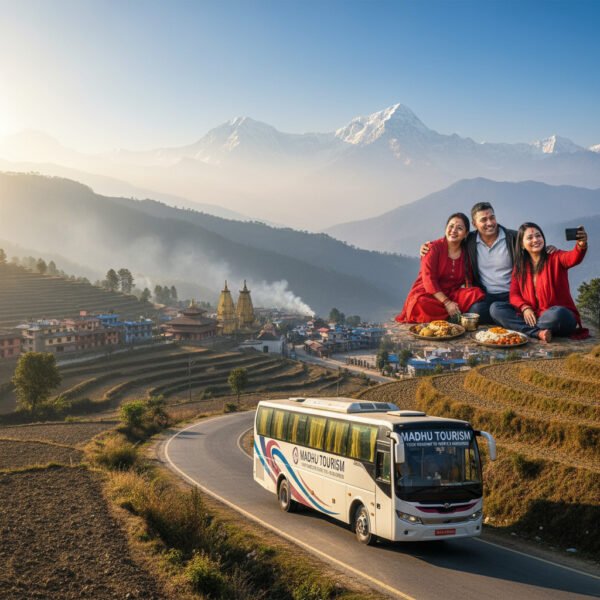
Nestled in the eastern part of Uttar Pradesh, Gorakhpur holds a unique position as a significant spiritual and historical hub in India. For centuries, it has served as a crucial junction for travelers heading towards Nepal, especially those on a pilgrimage to Lumbini. Named after the revered Saint Gorakhnath, whose ancient temple is a cornerstone of the city, Gorakhpur itself exudes a spiritual aura that prepares you for the profound journey ahead. Its excellent connectivity – by rail, road, and even air – makes it an ideal, hassle-free starting point for any Nepal tour from India, particularly for those envisioning a visit to the birthplace of Buddha.
For Indian travelers, the convenience of starting a Nepal journey from Gorakhpur is unparalleled. The border crossing at Sunauli/Belahiya is merely a couple of hours away, transforming what could be a complex international journey into a smooth, regional traverse. This proximity not only saves time but also significantly reduces travel fatigue, allowing you to begin your spiritual quest feeling refreshed and ready to absorb the serene energies of Nepal. Madhu Tourism leverages this strategic advantage, ensuring that your transition from India to Nepal is as comfortable and seamless as possible, handling all logistics so you can focus solely on your spiritual experience.
The Journey Begins: Crossing the Border into Serenity
The road from Gorakhpur to the Indo-Nepal border at Sunauli is a journey through verdant plains and lively towns, offering glimpses of rural Indian life. As you approach the border, the landscape subtly shifts, and an exciting anticipation builds. Sunauli, on the Indian side, and Belahiya, on the Nepali side, form a bustling gateway where cultures merge and new adventures begin. The border formalities for Indian citizens are straightforward, usually requiring a valid ID proof such as an Aadhar card or passport. Madhu Tourism’s expert guides are always on hand to assist you through this process, ensuring a swift and hassle-free transition.
Once you cross into Nepal, a palpable sense of peace seems to descend. The air feels different, the pace of life gently slows, and the majestic Himalayas, though still distant, exert their subtle influence. From Belahiya, Lumbini is just a short drive away, typically less than an hour. This short but scenic drive is your gentle introduction to the tranquil beauty of Nepal, setting the stage for the deeply spiritual experience that awaits you in Lumbini, the hallowed grounds where the light of Asia first shone.
Lumbini: The Sacred Heart of Buddhism
Lumbini, a UNESCO World Heritage Site, is not just a destination; it’s a profound experience. It is the sacred place where Queen Maya Devi gave birth to Siddhartha Gautama in 623 BC, an event that heralded the dawn of a new era of spiritual awakening for humanity. The entire area is a vast spiritual oasis, meticulously preserved and developed, yet retaining an ethereal sense of timelessness. As you step onto its holy grounds, a wave of tranquility washes over you, inviting introspection and reverence.
Maya Devi Temple: A Hallowed Space
At the very heart of Lumbini lies the Maya Devi Temple, a structure that marks the exact spot of Buddha’s birth. Stepping inside this modern temple, you are immediately transported back in time. The central attraction is the Marker Stone, placed precisely where Siddhartha Gautama is believed to have taken his first steps. Surrounding it are the ancient brick ruins, carefully excavated and preserved under glass, offering a tangible link to a distant past. The serene atmosphere is punctuated by the hushed whispers of pilgrims and the gentle chanting of mantras, creating an ambiance of deep devotion.
Adjacent to the temple is the sacred Pushkarini Pond, where Queen Maya Devi is said to have bathed before giving birth, and where Siddhartha had his first purification bath. The calm waters reflect the sky, and the surrounding trees offer a peaceful spot for meditation and reflection. Pilgrims often circumambulate the temple and the pond, offering prayers and finding solace in the spiritual energy of the site.
Ashoka Pillar: A Testament to History
A short distance from the Maya Devi Temple stands the Ashoka Pillar, a towering testament to the historical authenticity of Lumbini. Erected by Emperor Ashoka in 249 BC, during his pilgrimage to the birthplace of Buddha, this pillar bears an inscription that unequivocally identifies Lumbini as the revered spot. The inscription, in Brahmi script, declares, “Here the Buddha, sage of the Sakyas, was born.” Standing beside this ancient monument, you can feel the weight of centuries and the enduring legacy of a philosophy that has shaped millions of lives. It is a powerful reminder of the historical veracity of Buddha’s existence and the profound impact of his teachings.
The Monastic Zone: A World of Faiths
Lumbini is much more than just the birth spot; it is a thriving international center for Buddhist unity. Surrounding the Sacred Garden is an expansive Monastic Zone, where various countries have constructed magnificent temples and monasteries, each reflecting their unique architectural styles and interpretations of Buddhist art. Walking through this zone is like embarking on a mini-world tour of Buddhist traditions. From the intricate golden spires of the Royal Thai Monastery to the serene white dome of the Great Lotus Stupa (German Monastery), and the vibrant murals of the Chinese Temple, each structure is a masterpiece of devotion.
- The World Peace Pagoda (Japan): A gleaming white stupa offering panoramic views and a symbol of universal peace.
- Korean Temple (Dae Sung Shakya): Known for its vibrant colors, intricate carvings, and an impressive prayer hall.
- Vietnam Phat Quoc Tu Temple: A blend of traditional Vietnamese architecture and Buddhist art.
- Mahabodhi Society of India Temple: A beautiful representation of Indian Buddhist traditions.
Exploring the Monastic Zone is an enriching experience. You can witness monks in prayer, partake in meditation sessions, or simply soak in the peaceful atmosphere that pervades every corner. Each monastery offers a unique perspective on Buddhism, highlighting the diversity and unity of the faith.
Lumbini Museum and Research Centre
To further enrich your understanding of Lumbini’s history and significance, a visit to the Lumbini Museum is highly recommended. It houses an impressive collection of artifacts, photographs, and archaeological findings from the region, providing valuable insights into the life of Buddha, the history of Buddhism, and the ongoing excavations in Lumbini and its surrounding areas. The Lumbini International Research Institute also serves as a center for Buddhist studies, attracting scholars and researchers from around the globe.
Beyond Lumbini: Discovering Buddha’s Life Cycle
While Lumbini holds the paramount significance as the birthplace, the region surrounding it, known as the Greater Lumbini Area, is dotted with other historically significant sites that were central to Buddha’s life. These sites offer a more comprehensive understanding of his formative years and the spread of his teachings. Madhu Tourism designs itineraries that can extend to these crucial locations, making your spiritual journey even more profound.
Tilaurakot (Ancient Kapilavastu): Where Siddhartha Grew Up
Just a short drive from Lumbini lies Tilaurakot, the archaeological remains of what is widely believed to be the ancient city of Kapilavastu – the capital of the Sakya kingdom where Prince Siddhartha spent his first 29 years before renunciation. Walking among these ruins, you can almost visualize the royal palace, the city walls, and the life that Siddhartha lived before his enlightenment. Extensive excavations have unearthed foundations of palaces, monasteries, and ancient stupas, offering a tangible connection to the early life of Buddha. It’s a powerful experience to stand on the very ground where a prince transformed into a seeker of ultimate truth.
Kudan (Nigrodharama): The First Sermon’s Echoes
Kudan is another significant archaeological site, identified as Nigrodharama, where Lord Buddha visited after attaining enlightenment and delivered his first sermon to his father, King Suddhodana, and other members of the Sakya clan. The remains of stupas and viharas (monasteries) can be seen here, reminding visitors of the deep familial and spiritual connections that shaped Buddha’s journey.
Niglihawa and Gotihawa: More Ashokan Sites
Continuing the exploration, Niglihawa is home to another Ashokan Pillar, indicating the birthplace of Krakuchchhanda Buddha, one of the previous Buddhas. Similarly, Gotihawa marks the birthplace of Konagamana Buddha, also attested by an Ashokan Pillar. These sites reinforce the idea of a continuous lineage of enlightened beings and add layers of spiritual depth to the entire region, offering a holistic pilgrimage experience.
Crafting Your Perfect Nepal Journey: Practical Insights
A spiritual journey to Nepal, particularly to Lumbini, is an enriching experience, and Madhu Tourism ensures that every practical aspect is meticulously handled. Here are some insights to help you prepare:
Best Time to Visit
The ideal time to visit Lumbini and the surrounding areas is during the autumn (September to November) and spring (February to April) months. The weather during these periods is pleasant, with clear skies and moderate temperatures, making it comfortable for sightseeing and outdoor activities. Winters (December to January) can be chilly, especially in the mornings and evenings, but the crowds are thinner. Summers (May to August) are generally hot and humid, with the monsoon season bringing heavy rainfall.
Visa and Currency
For Indian citizens, a visa is not required to enter Nepal. However, it is essential to carry valid identification such as an Indian Passport, Aadhar Card, or a Voter ID card. Madhu Tourism guides will advise on the specific documents required. The local currency is the Nepali Rupee (NPR). Indian Rupees (INR) are widely accepted in Nepal, especially in border towns and tourist areas, with an exchange rate of 1 INR = 1.60 NPR (approximately). It’s advisable to carry some Nepali Rupees for smaller expenses and local markets.
Local Cuisine and Culture
Nepali cuisine is a delightful blend of Indian and Tibetan influences. Don’t miss trying Dal Bhat (lentil soup with rice and vegetables), Momos (dumplings), and local curries. The people of Nepal are known for their warmth and hospitality, especially towards Indian visitors. Engaging with local communities, observing their daily lives, and participating in cultural experiences can add a rich dimension to your trip. Remember to respect local customs and traditions, particularly when visiting religious sites.
Accommodation and Travel Tips
Lumbini offers a range of accommodation options, from budget guesthouses to comfortable hotels, catering to various preferences. Madhu Tourism carefully selects accommodations that offer comfort, cleanliness, and proximity to key sites, ensuring a restful stay after a day of exploration. We also provide comfortable transportation, whether it’s private vehicles or well-maintained buses for group tours, prioritizing your safety and comfort throughout the journey. Always carry a small first-aid kit, comfortable walking shoes, and appropriate clothing for religious sites (modest attire).
Why Choose Madhu Tourism for Your Nepal Expedition?
At Madhu Tourism, we understand that a journey to the birthplace of Buddha is more than just a holiday; it’s a spiritual quest, a family pilgrimage, or a group exploration into history and culture. With our deep roots in Gorakhpur and extensive experience in curating Nepal tours, we offer unparalleled advantages:
- Expert Local Knowledge: Our team possesses intimate knowledge of the Gorakhpur-Lumbini route and beyond, ensuring you discover hidden gems and experience the authentic essence of Nepal.
- Tailored Itineraries: We specialize in customizing tour packages to suit your specific needs, whether you are a pilgrim seeking profound spiritual reflection, a family desiring a comfortable and enriching experience, or a group looking for seamless coordination and value.
- Hassle-Free Travel: From border formalities and comfortable transportation to quality accommodation and knowledgeable guides, we take care of every detail. You simply focus on absorbing the spiritual energy and making unforgettable memories.
- Safety and Comfort First: Your well-being is our top priority. We partner with reliable service providers and maintain high safety standards throughout your journey, offering peace of mind to every traveler.
- Dedicated Support: Our team is available round-the-clock to assist you, ensuring a smooth and enjoyable trip from start to finish.
Whether you’re looking for a dedicated Nepal tour package from Gorakhpur focusing purely on Lumbini and its environs, or planning a comprehensive Nepal tour from Mumbai, Delhi, or any other major Indian city that extends to Pokhara and Kathmandu, Madhu Tourism offers seamless solutions. We pride ourselves on crafting journeys that resonate with your spirit, offering a perfect blend of spirituality, culture, and adventure. With Madhu Tourism, your journey to Nepal is not just a trip; it’s an experience that awakens the soul.
Madhu Tourism: Your Gateway to Nepal’s Wonders.
FAQs Section
Q1: Is a visa required for Indian citizens to visit Nepal?
A1: No, Indian citizens do not require a visa to enter Nepal. However, you must carry a valid Indian Passport, Aadhar Card, or Voter ID card for identification purposes at the border.
Q2: What is the best time to visit Lumbini?
A2: The ideal time to visit Lumbini is during the autumn months (September to November) and spring months (February to April). The weather is pleasant and conducive for sightseeing during these periods.
Q3: How far is Lumbini from Gorakhpur, and how long does it take to reach?
A3: Lumbini is approximately 100-110 km from Gorakhpur. The journey usually takes about 3-4 hours by road, including the border crossing formalities at Sunauli/Belahiya.
Q4: What are the main attractions in Lumbini besides the Maya Devi Temple?
A4: Besides the Maya Devi Temple, other key attractions include the Ashoka Pillar, the sacred Pushkarini Pond, the International Monastic Zone (featuring monasteries from various countries), and the World Peace Pagoda. Nearby, you can also visit Tilaurakot (ancient Kapilavastu).
Q5: Is it safe to travel to Lumbini from Gorakhpur with Madhu Tourism?
A5: Yes, Madhu Tourism prioritizes your safety and comfort. We provide reliable transportation, experienced guides, and meticulously planned itineraries to ensure a secure and enjoyable journey for all our travelers, including families and groups.
Q6: Can I use Indian currency in Nepal?
A6: Yes, Indian Rupees (INR) are widely accepted in Nepal, especially in tourist areas and border towns. However, it’s advisable to carry some Nepali Rupees (NPR) for smaller transactions and local vendors. The approximate exchange rate is 1 INR = 1.60 NPR.
Q7: Does Madhu Tourism offer customized Nepal tour packages?
A7: Absolutely! Madhu Tourism specializes in crafting personalized tour packages to suit individual preferences, group sizes, and specific interests, whether for pilgrimage, leisure, or cultural exploration. We can tailor your Nepal tour package from Gorakhpur to your exact needs.
Q8: What kind of accommodation can I expect in Lumbini?
A8: Madhu Tourism arranges accommodations ranging from comfortable hotels to guesthouses that are clean, safe, and conveniently located. We aim to provide options that cater to various budgets while ensuring a pleasant stay.
Q9: Are there any specific cultural etiquettes I should be aware of when visiting religious sites in Nepal?
A9: Yes, it is respectful to dress modestly when visiting temples and monasteries. Remove your shoes before entering religious structures, and avoid pointing your feet at altars or religious figures. Always ask for permission before taking photos of people, especially monks.
Q10: Besides Lumbini, can Madhu Tourism arrange tours to other parts of Nepal?
A10: Yes, Madhu Tourism offers comprehensive tours across Nepal, including popular destinations like Kathmandu (for culture and heritage), Pokhara (for adventure and scenic beauty), Chitwan (for wildlife), and other Buddhist pilgrimage sites. Whether you seek a complete Nepal tour from India or a specific itinerary, we have you covered.
Q11: What documents should I carry for the border crossing?
A11: For Indian citizens, a valid Indian Passport, Aadhar Card, or Voter ID card is sufficient. Children under 18 years can travel with their school ID card with a photograph, accompanied by parents.
Q12: Is food easily available for Indian tastes in Lumbini?
A12: Yes, given the significant number of Indian pilgrims and tourists, many restaurants in Lumbini offer a variety of Indian vegetarian and non-vegetarian dishes. Madhu Tourism ensures that your culinary needs are met with comfortable dining options.